The purpose of this LHMP Update is to assess risk to natural hazards, identify and implement mitigation actions and projects to reduce future losses, and maintain eligibility for federal and state mitigation funds in accordance with the Disaster Mitigation Act of 2000. Partners in this planning effort include the incorporated communities of the City of Sacramento, Citrus Heights, Elk Grove, Folsom, Galt, Isleton, and Rancho Cordova and many special districts throughout the County.
What is Hazard Mitigation? 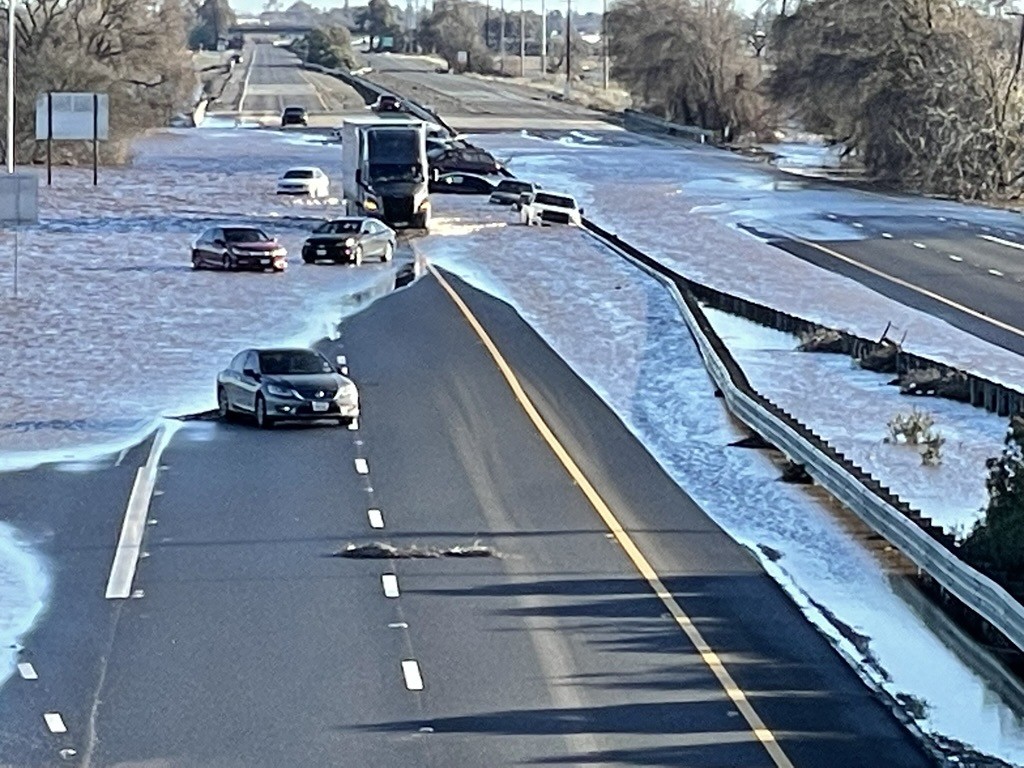
Hazard mitigation means any action taken to reduce or eliminate the long-term risk to human life and property from natural hazards.
Why is Natural Hazard Mitigation Important?
Most people who live or work in Sacramento County have been affected by natural hazards in one way or another. Sacramento County and its residents are vulnerable to a variety of hazards including floods, levee failure, drought, wildfire, and other severe weather events.
Rising costs associated with disaster response and recovery have focused the attention of federal, state, and local governments on addressing natural hazards before they occur. For example, torrential rains and floods cannot be prevented from occurring, but planning for natural hazards and implementing hazard mitigation and risk reduction measures can reduce impacts to people, buildings and infrastructure from future hazard events. Emergency response and recovery costs; property damage; personal injury and loss of life; and the overall economic and social impact on the community can all be reduced, and in some instances eliminated through natural hazard mitigation.
The 2026 Local Hazard Mitigation Plan and Plan Update Process
Sacramento County Department of Water Resources is leading the effort to develop the 2026 Multi- Jurisdictional LHMP Update along with a Hazard Mitigation Planning Committee (HMPC) comprised of representatives from various County and City departments; districts, neighboring jurisdictions; key federal, state, and local agency stakeholders; and the public.
The Plan will be developed to meet new FEMA guidance issued in 2025 and will also follow applicable state requirements. The Plan will address an updated list of hazards and assess the risk and vulnerability of these hazards to the people and assets of the Sacramento County planning area. The Plan will also establish an updated mitigation strategy designed to reduce the impacts of future hazard events and to make the Sacramento County planning area more disaster resilient.
Another benefit of mitigation planning is that it can also help lessen the cost of flood insurance to the residents of Sacramento County, the City of Sacramento, and the City of Citrus Heights through FEMA's National Flood Insurance Program's, Community Rating System.
National Flood Insurance Program's Community Rating System
The National Flood Insurance Program's (NFIP) Community Rating System (CRS) is a voluntary incentive program that recognizes and encourages community floodplain management activities that exceed the minimum NFIP requirements. As a result, flood insurance premium rates are discounted to reflect the reduced flood risk resulting from the community actions in meeting the goals of the CRS Program. The reduction in flood insurance premium rates is provided according to a community's CRS classification. Sacramento County is currently a CRS Class 2, which provides up to a 40 percent discount on flood insurance premiums for those located within the special flood hazard area (SFHA). The City of Sacramento is a CRS Class 4, (providing a 30 percent discount), and the City of Citrus Heights is currently enrolling in the CRS program. Participation by these communities in CRS results in over $2 million in annual savings to area residents on the cost of their flood insurance premiums. The other four incorporated communities, while eligible CRS communities, do not actively participate in FEMA's CRS program.
Opportunities for Input
Members of the community have a very important role in this process. Hazard Mitigation Planning Committee and Public Meetings will be held throughout the plan development process starting late fall 2025 through 2026. All interested stakeholders and members of the public are welcome to attend either of the HMPC or Public meetings.
A draft of the LHMP Update will also be available Fall of 2026 for review and comment by the public and all interested stakeholders on the County website.