Prop 218 Rate Increase Frequently Asked Questions
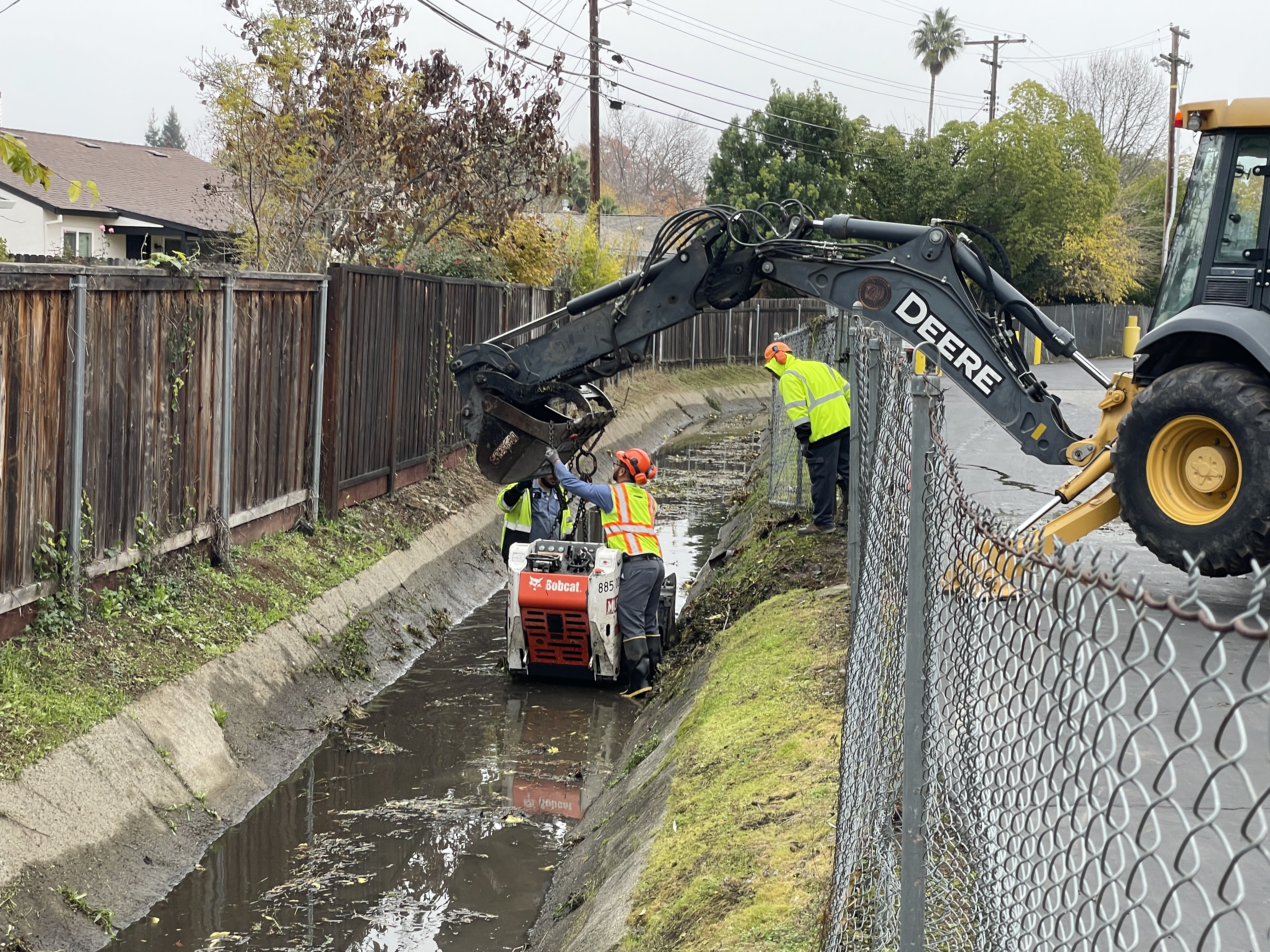
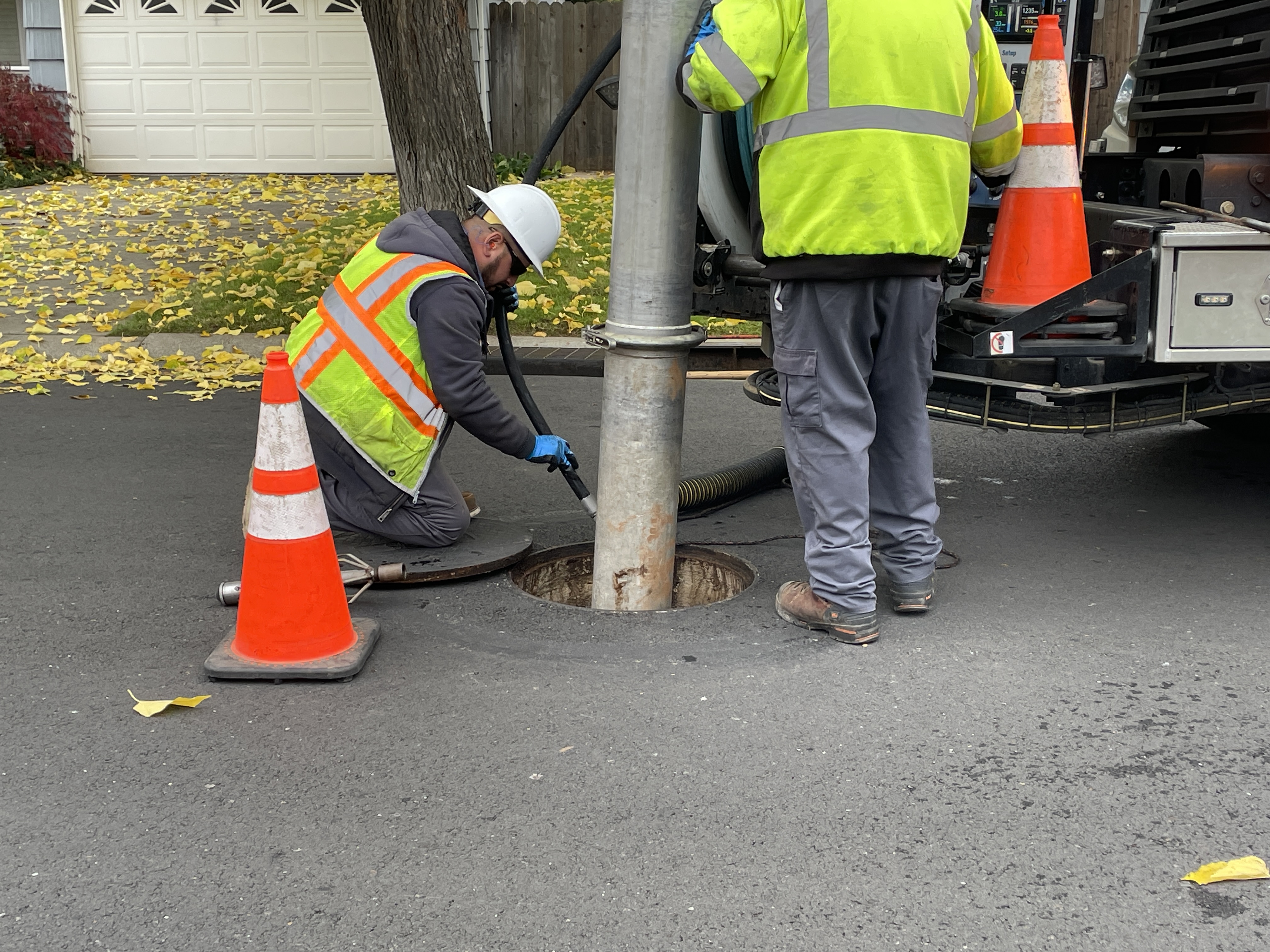
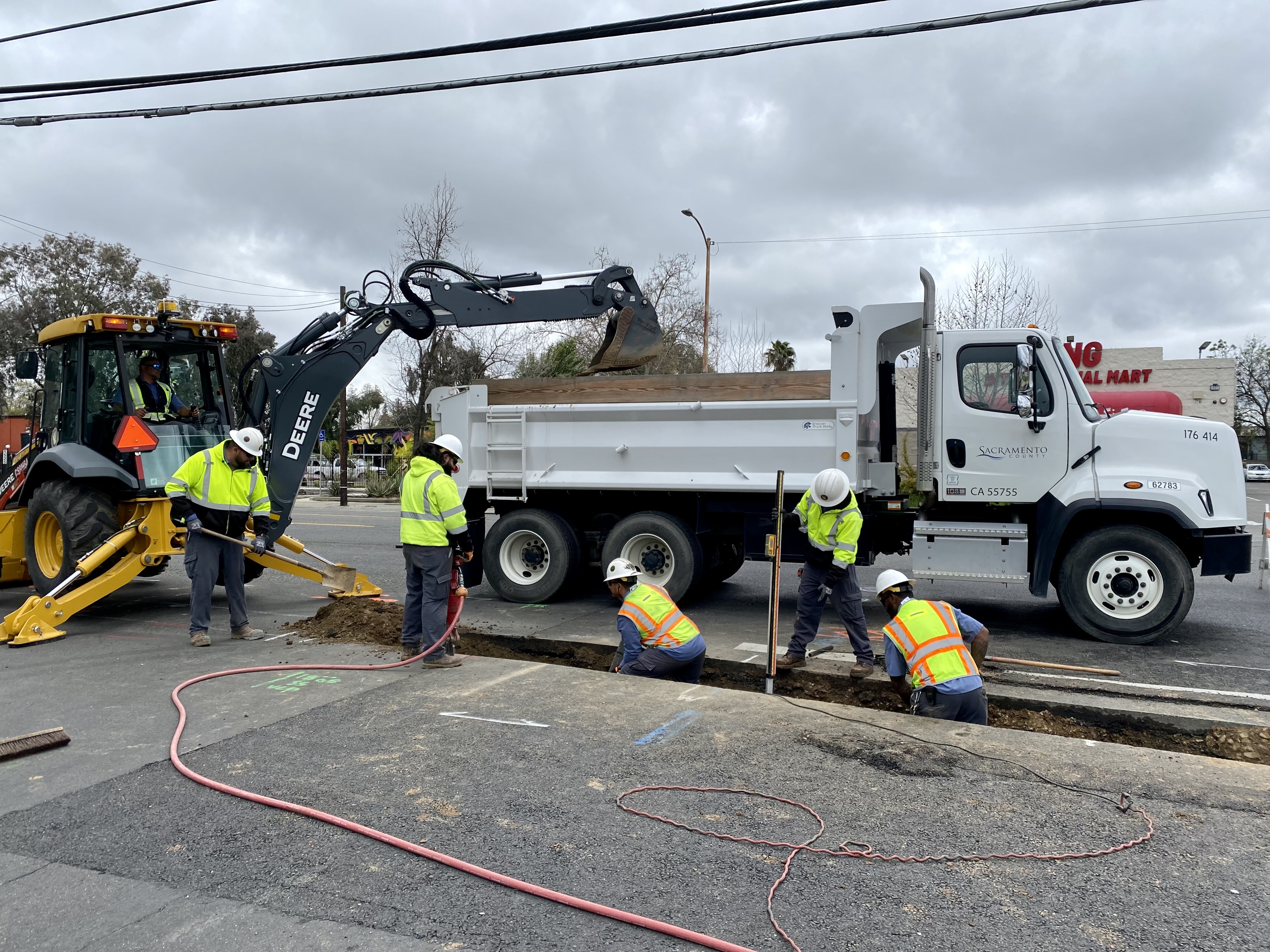
Why Stormwater Fees Matter
Every time it rains, an unseen network of storm drains, pipes, culverts, and channels goes to work protecting our neighborhoods from flooding. Keeping that system running takes ongoing maintenance and investment.
Sacramento County's stormwater utility fee was set in 1996 and hasn't changed since — even as the cost of maintaining this infrastructure has grown substantially. The Department of Water Resources is now evaluating a rate update to bring the fee in line with today's costs.
This evaluation is just getting underway. Below are frequently asked questions about stormwater fees along with important answers.
About the Need for a Rate Increase
A: The Stormwater Utility fee was adopted in 1996 and has never been adjusted — in part because stormwater funding is a challenging conversation. We’ve worked hard to defer that conversation by cutting costs internally. But deferred maintenance on underground infrastructure doesn’t disappear — it accumulates. We’ve reached the point where the risk of further delay outweighs the difficulty of pursuing a rate adjustment.
A: We have 75 miles of corrugated metal pipe that has reached the end of its useful life, with some infrastructure exceeding its design life by over 80%. Failing underground pipe can cause sinkholes and catastrophic failures. Beyond physical deterioration, our maintenance backlog has grown because we’ve had to focus limited resources on emergency response and regulatory compliance rather than proactive upkeep.
A: We’ve taken significant cost-reduction steps: delaying capital projects, reducing maintenance frequency for portions of the system, implementing operational efficiencies, eliminating positions, and delaying hires. We also created SWU 2 in 2025 to ensure new development contributes to system costs going forward. But these measures have limits — at some point, deferred maintenance becomes an emergency, and emergency repairs cost far more than proactive investment.
About the Rate Increase
A: The proposed rate increase amount will be determined through a formal rate study based on a cost-of-service analysis. We’re committed to setting the rate at what the system actually needs — no more. Once the rate study is complete, we will publish a bill impact calculator on our website so you can see exactly what the change means for your property.
A: The rate is based on a rigorous cost-of-service analysis conducted by an independent rate consultant. Under California Proposition 218, rates must be set at no more than the cost of providing the service, and revenue must be used only for the service for which it is charged. Our rate study will document these requirements in detail and will be publicly available.
A: The Stormwater Utility fee is based on each property’s contribution to stormwater runoff, which is proportional to impervious surface area (rooftops, driveways, parking lots). Properties with more hard surface pay more because they generate more runoff that flows into the storm drain system. This structure complies with Prop 218’s requirement that fees be proportional to the benefit received.
A: We are evaluating options for hardship assistance or low-income credits as part of the rate-setting process and will share information as it becomes available. If you have concerns about the impact of the rate increase on your household, we encourage you to attend a public meeting or contact us directly.
About How the Money Will Be Spent
A: Revenue from the rate increase will be dedicated to: (1) capital rehabilitation projects to enhance flood protection; (2) replacement of storm drain infrastructure that has exceeded its useful life; (3) restoring maintenance frequency and quality across the system; and (4) meeting state and federal stormwater quality and trash capture requirements.
A: No. Under Proposition 218, stormwater fee revenue must be used only for the stormwater service for which it is charged. The funds are legally restricted to stormwater operations, maintenance, and capital improvement. We are funded by ratepayers, not taxes. Some future projects would be canceled, making our systems less resilient and reliable.
A: Without additional revenue, we will be forced to continue deferring maintenance and capital replacement on an already strained system. This increases the risk of infrastructure failures — including sinkholes, flooding, and water quality violations — that are far more costly to repair after the fact. It also puts us at risk of regulatory non-compliance, which carries significant financial penalties.
No one likes rate increases, but the alternative to not making these needed upgrades would be far more expensive for our ratepayers in the long run. Our storm drain infrastructure is vital to public health and safety. It’s critical to maintain and upgrade these aging systems that we all rely on every day. Taking action now to improve these systems will save money in the long run. The longer we wait to make needed upgrades, the more they will cost. Sacramento County is ahead of the curve and tackling the problem head on before it becomes even more expensive.
About the Process
A: Proposition 218 requires that before a local agency raises a property-related fee, it must mail written notice to all affected property owners, hold a public hearing, and allow property owners to protest. If valid protests are submitted by a majority of affected properties, the agency cannot adopt the increase. This process ensures ratepayers have a meaningful voice in the outcome.
A: We are in the early planning stages and have not yet set a formal timeline. Our goal is to complete the rate study, conduct thorough public outreach, and initiate the Prop 218 process in a way that gives ratepayers adequate time to review and respond. We will publish a timeline on our website as planning progresses.